


Krabi –
The Department of National Parks, Wildlife and Plant Conservation has raised marine tourism safety measures to the highest level following the discovery of Portuguese man-of-war, one of the most venomous marine organisms, at two national parks in Krabi.
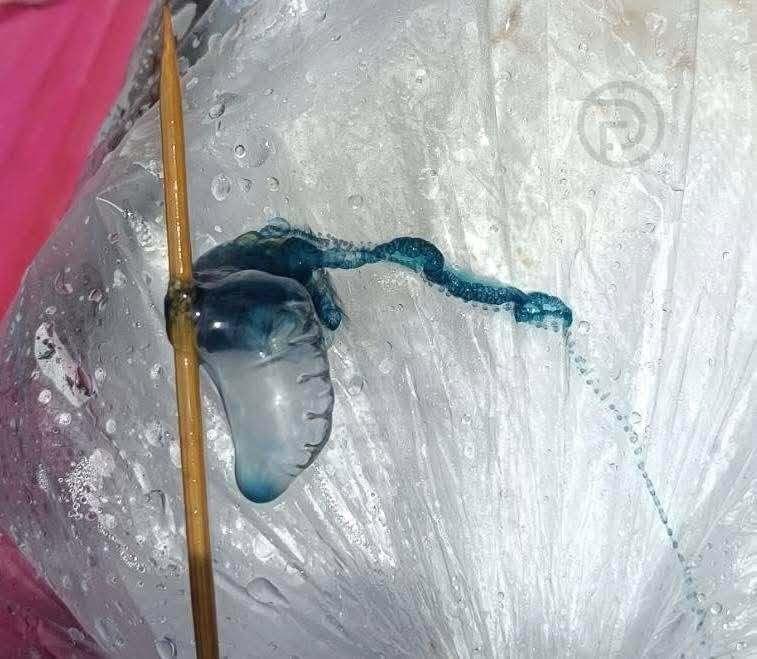
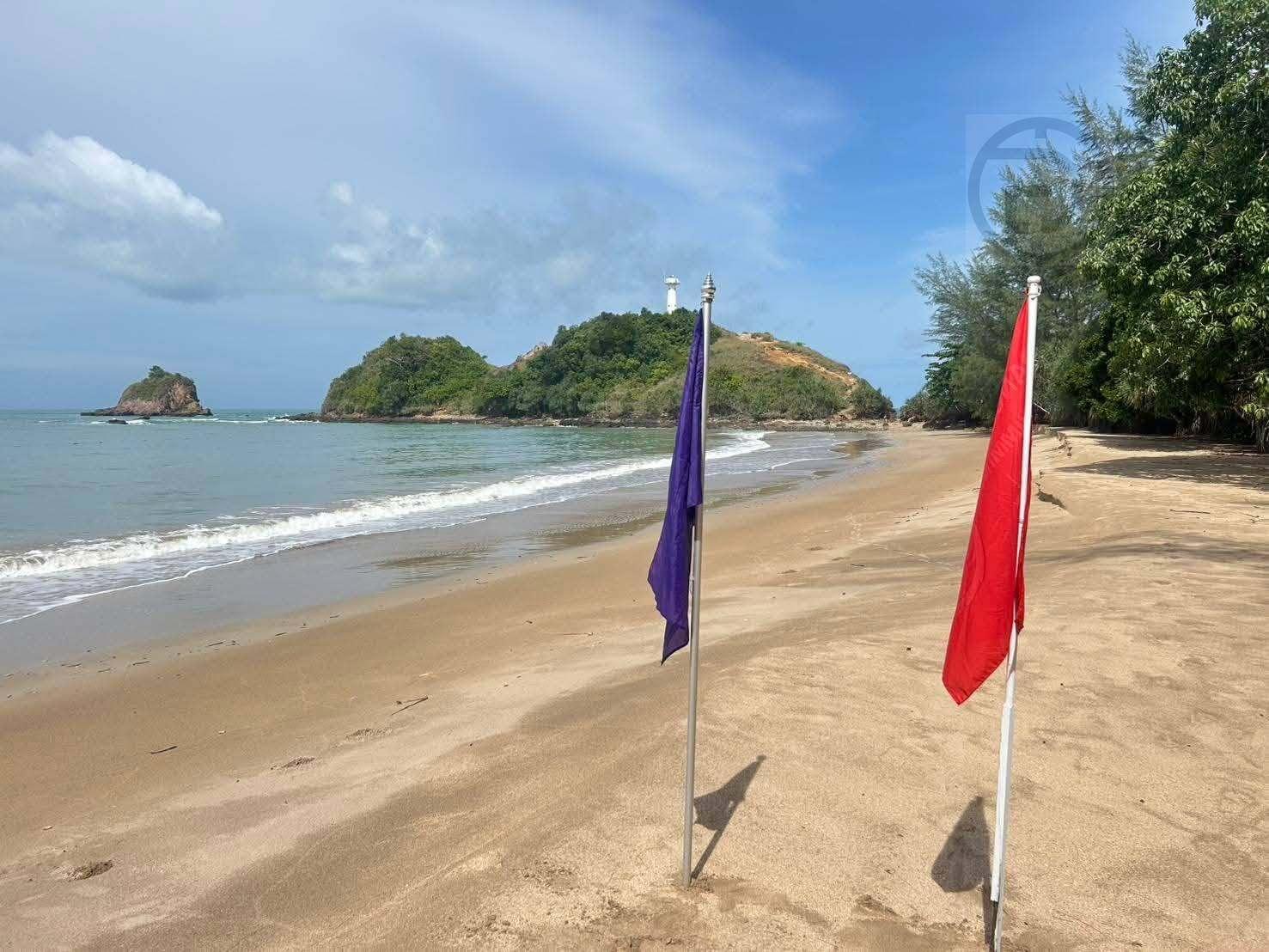
Jinda Srisupphatphong, Director of the Marine National Park Management Division, reported that rangers on routine beach patrols at Mu Ko Lanta National Park found Portuguese man-of-war specimens washed ashore near Laem Tanot. Park officials immediately raised red flags and banned all swimming in the affected area.
On the same day, rangers from Protection Unit PP.7 at Ko Phi Phi Don, under Hat Noppharat Thara–Mu Ko Phi Phi National Park, conducted maritime safety surveys and found more specimens drifting and beaching at Ao Ling and Sam Hat, both popular tourist spots. The park then increased surveillance and issued urgent notifications to tour boat operators and visitors.
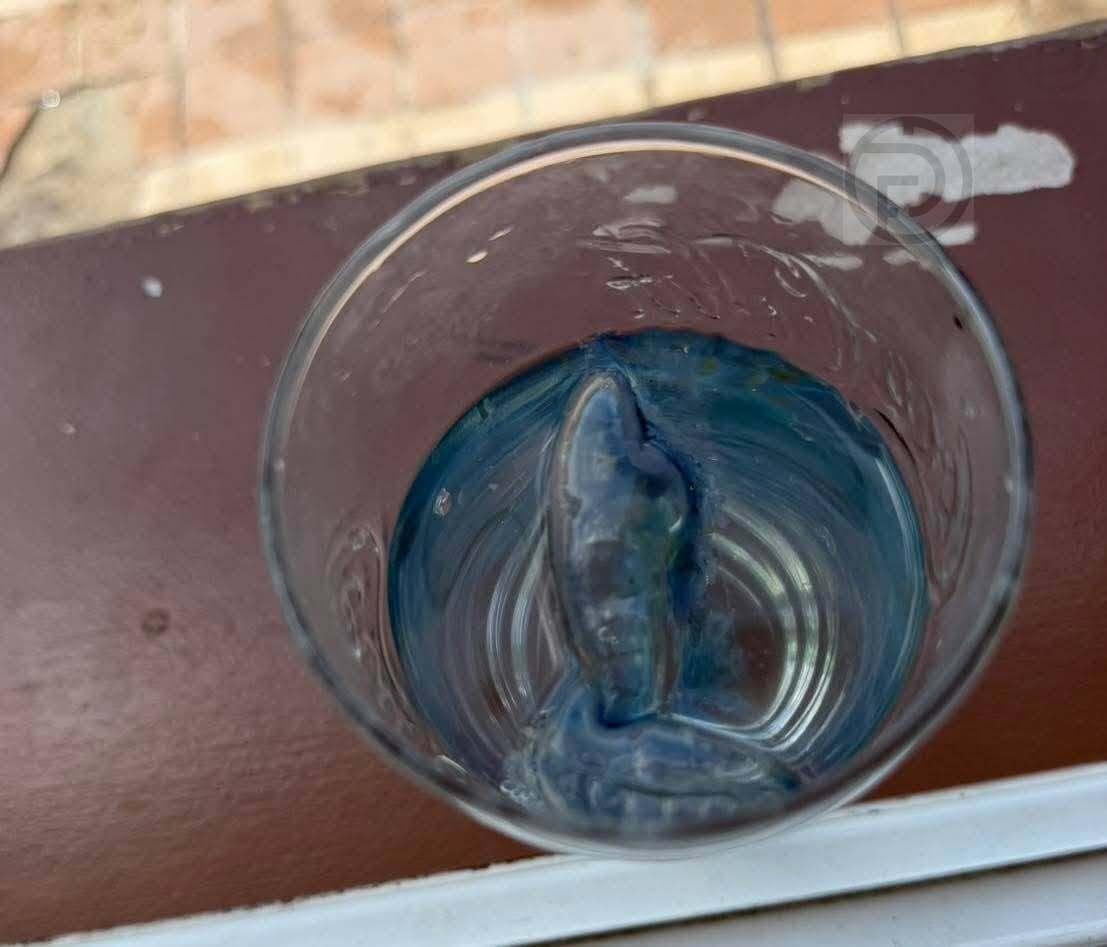
The Portuguese man-of-war (Physalia physalis) is recognizable by its blue or purple gas-filled float, which resembles a Portuguese naval helmet. Its venomous tentacles can extend several meters and remain toxic even after the organism has died or dried on the beach. Contact causes severe burning pain, welts, and damage to the nervous system and cardiac muscle, and can result in respiratory distress, loss of consciousness, or death.
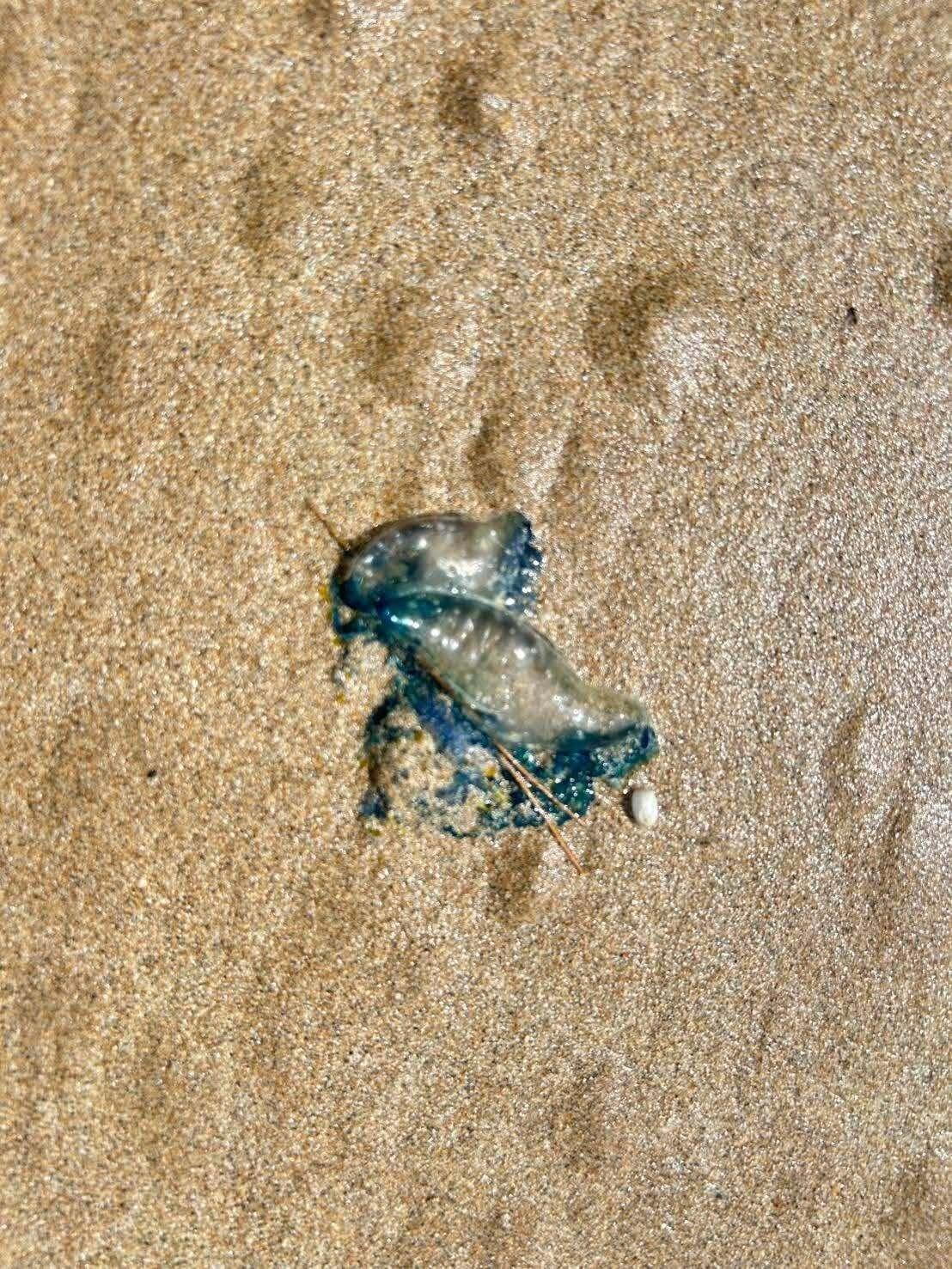
Park officials have deployed foot patrols and vessels to clear affected beaches. Visitors are advised not to touch specimens under any circumstances, in the water or on shore, and to report sightings immediately to park staff or lifeguards. Beachgoers should wear footwear and avoid entering water in areas marked with a red flag.
In the event of contact, the public should exit the water immediately and avoid rubbing the affected area, as this ruptures venom cells and speeds absorption. Rescuers should carefully monitor the patient’s breathing and heart rate and seek immediate help from nearby park rangers or transfer the patient to a medical facility for advanced treatment.
The preceding is a press release from the Thai Government PR Department.
Related Stories
 EventsEventsPhuket to Hold Historic Night Procession in Phuket10 Oct 2026
 Featured NewsFeatured NewsPhuket Teen Nene Royal Meets Their Royal Majesties The King and Queen After America’s Got Talent Victory9 Oct 2026
 ChalongChalongCourt Warrants Used in Searches at Two International Schools in Rawai9 Oct 2026
 EventsEventsGo Teng Ceremonies Open Phuket Vegetarian Festival9 Oct 2026